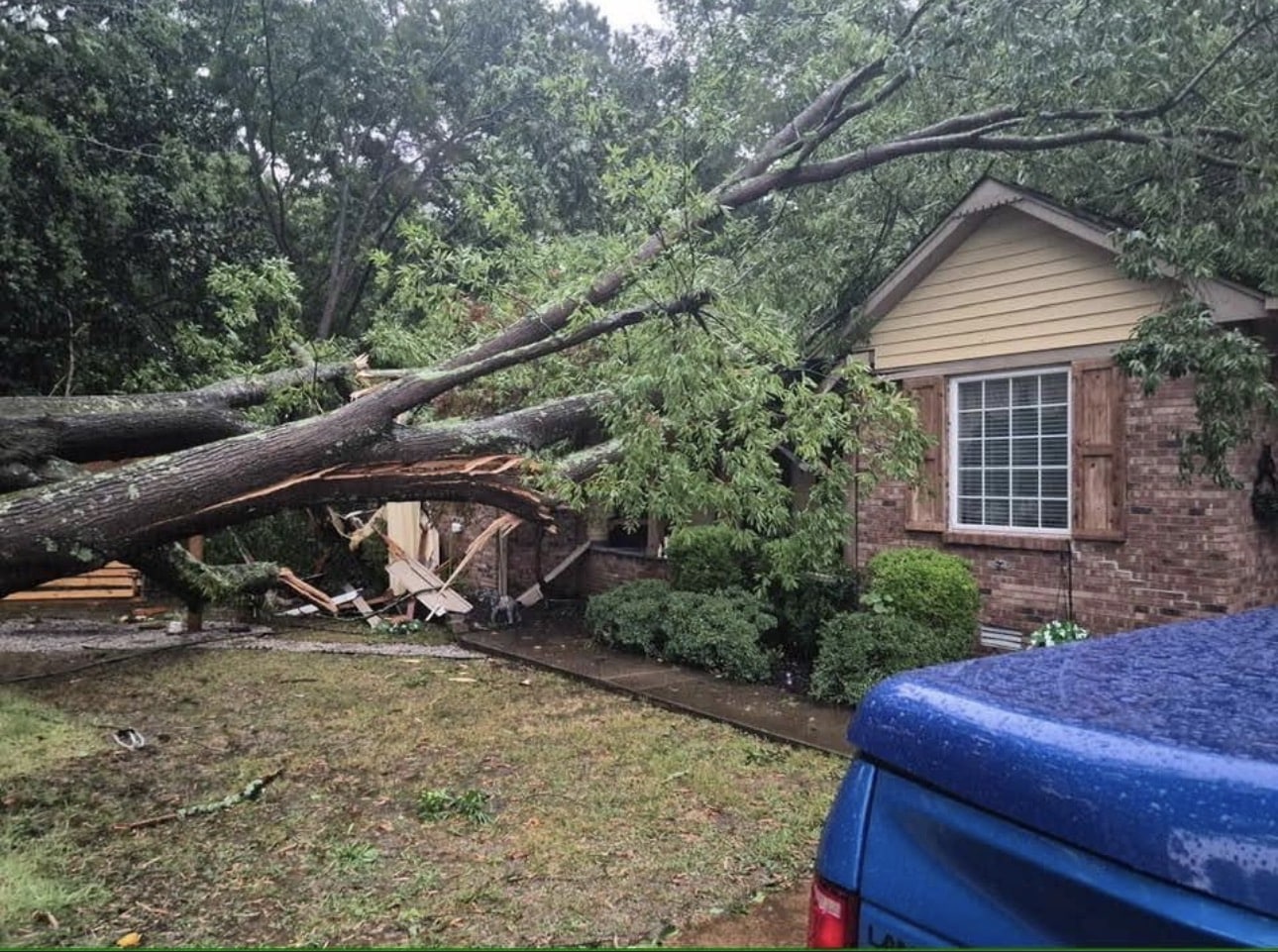
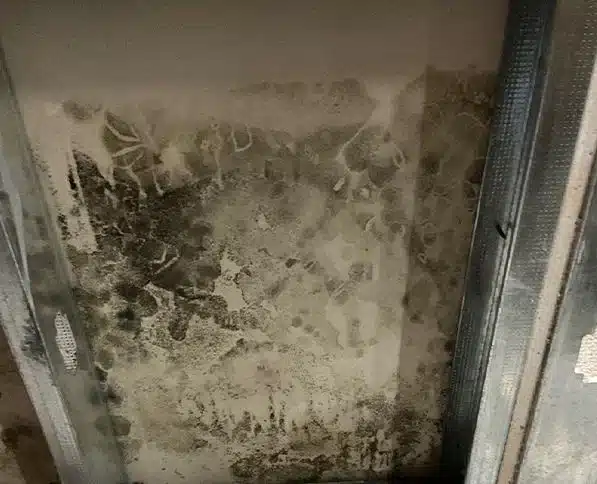
Severe thunderstorms, high winds, hail, and even tornadoes are a fact of life across the…
What to Do in the First 24 Hours After Water Damage
Water damage doesn’t wait for a convenient time. Whether it’s a burst pipe, an overflowing washing machine, or storm water finding its way into your home, the first 24 hours matter more than almost any other stretch of the recovery process. What you do (and don’t do) in that first day can be the difference between a quick clean-up and months of repairs.
Here’s a clear, step-by-step guide for homeowners and business owners in the Memphis, Collierville, and Germantown area.
1. Make Sure Everyone Is Safe First
Before anything else, check for hazards. Standing water near outlets or electrical panels can be dangerous — if there’s any doubt, shut off power to the affected area at the breaker box, but only if you can reach it without stepping in water. If the water is from a “black water” source (sewage backup, flooding from outside), avoid contact entirely and keep kids and pets out of the area.
2. Stop the Source, If You Safely Can
If the water is coming from a pipe, appliance, or fixture inside your home, shut off the water supply at the source or at the main shutoff valve. This alone can prevent thousands of dollars in additional damage while you wait for help to arrive.
3. Call Your Insurance Company
Most homeowner’s policies cover sudden water damage (like a burst pipe), though coverage for flooding usually requires separate flood insurance. Call your agent as soon as it’s safe to do so — many claims are time-sensitive, and starting the process early helps things move faster.
4. Document Everything Before You Start Cleaning
Take photos and videos of the damage before you move anything. Insurance adjusters rely heavily on this documentation, and it’s much harder to prove the extent of damage after the cleanup has started.
5. Start Removing Standing Water
The clock matters here: mold can begin growing within 24 to 48 hours in wet conditions. If it’s a small, contained spill, towels, a wet/dry vacuum, and fans can help. For anything beyond a small spill — especially carpet, drywall, or a flooded room — professional water extraction equipment removes moisture far more thoroughly than household tools, and reduces the risk of hidden moisture leading to mold later.
6. Move Furniture and Valuables
Get furniture, rugs, electronics, and important documents out of the affected area and into a dry space. Wood furniture legs can be wrapped in foil or plastic to prevent staining from wet carpet.
7. Increase Airflow
Open windows if weather permits, run fans, and use a dehumidifier if you have one. The faster you can dry the space, the lower your risk of mold and structural damage.
8. Know When to Call a Professional
A good rule of thumb: if the water covers more than a small area, has been sitting for more than a few hours, or came from an unsanitary source (sewage, flooding), it’s time to call a restoration company. Professional water extraction and drying equipment can reach moisture trapped in walls, subfloors, and insulation that household tools simply can’t get to — and catching it early is almost always cheaper than dealing with mold or structural damage down the road.
We’re Here 24/7
Water damage doesn’t check the clock, and neither do we. If you’re dealing with a leak, burst pipe, or flooding anywhere in the Memphis, Collierville, Germantown, or North Mississippi area, call Renaissance Restoration any time, day or night, at 1-800-224-5102. We’ll walk you through what to do and get a crew moving fast.
This article is for general informational purposes and isn’t a substitute for guidance from your insurance provider or a licensed restoration professional about your specific situation.
Related Posts