When water gets into your home, the soaked carpet and stained drywall are only the…
Summer Humidity and Mold: Warning Signs Mid-South Homeowners Shouldn’t Ignore
Memphis summers bring more than heat — they bring humidity that can seep into your home and create the perfect environment for mold to thrive. Unlike a burst pipe or storm flood, mold growth from humidity is often quiet and gradual, which is exactly why it catches so many homeowners in Memphis, Collierville, Germantown, and North Mississippi off guard. By the time it’s visible, it may have already been spreading behind the scenes for weeks.
Here’s what to watch for, and when it’s time to call in a professional.
1. A Musty Smell That Won’t Go Away
If a room, closet, or basement has a persistent musty odor even after cleaning, that’s often the first sign of hidden mold growth. Mold doesn’t need to be visible to produce that smell — it can be growing behind drywall, under carpet, or inside HVAC ductwork.
2. Condensation on Windows, Pipes, or Vents
High humidity causes moisture to collect on cool surfaces like window panes, air ducts, and cold water pipes. If you’re noticing consistent condensation, especially in a room that stays humid, that moisture is feeding conditions mold needs to grow.
3. Discoloration on Walls or Ceilings
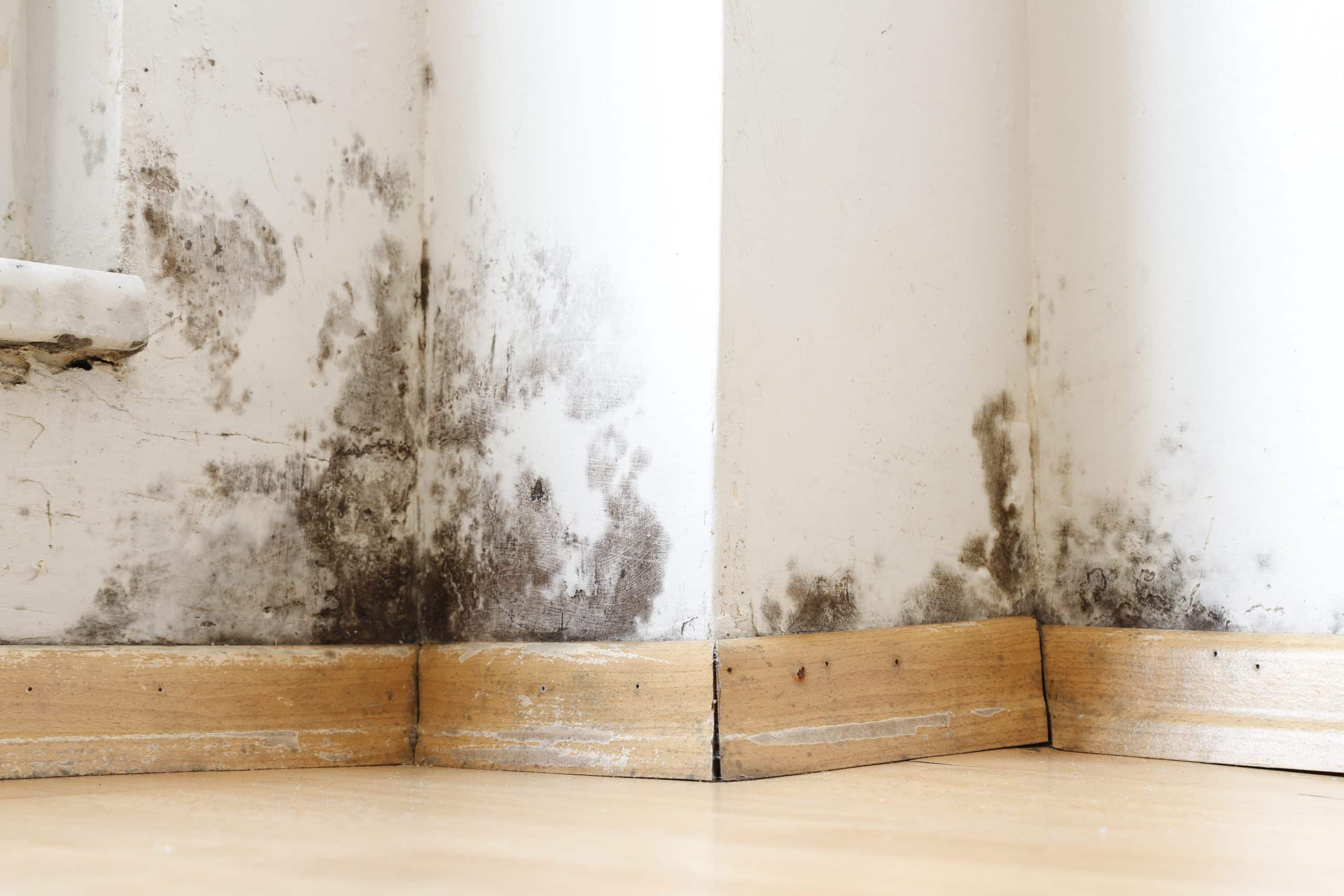
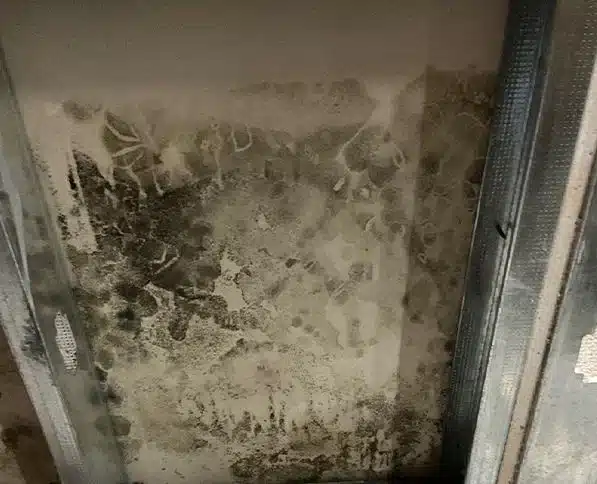
Small dark, green, or black spots on walls, ceilings, or around windowsills are frequently early mold growth rather than ordinary dirt or water stains. These patches tend to spread over time if the underlying moisture issue isn’t addressed.
4. A Spike in Allergy-Like Symptoms at Home
Unexplained sneezing, coughing, or irritated eyes that improve when you leave the house can be a sign of airborne mold spores. This is especially worth paying attention to if multiple people in the household notice it.
5. Peeling Paint or Warping Drywall
Excess humidity trapped inside walls can cause paint to bubble or peel and drywall to soften or warp. This usually means moisture has been sitting for a while, which gives mold time to establish itself in places you can’t easily see.
6. Your AC System Is Running Constantly But the Air Still Feels Damp
If your air conditioning is working overtime but your home still feels humid, that imbalance can allow moisture levels to stay high enough for mold to develop, particularly in basements, crawl spaces, and closets with poor airflow.
Why Summer Humidity Fuels Mold Growth
Mold needs three things to grow: moisture, warmth, and an organic surface like wood, drywall, or insulation. Mid-South summers check all three boxes at once. Even homes with no history of leaks or flooding can develop mold simply from sustained indoor humidity, especially in areas with limited ventilation.
When to Call a Professional
A rule of thumb: if you can smell mold but can’t find it, see visible growth larger than a small patch, or have had any recent moisture issue that wasn’t fully dried out, it’s time to bring in a professional. Mold can spread inside wall cavities and ductwork in ways that aren’t visible from the surface, and improper handling (like scrubbing visible mold without addressing the moisture source) can actually spread spores further into the home.
We’re Here to Help
At Renaissance Restoration, our mold remediation process starts with a thorough inspection using thermal imaging to find hidden moisture pockets, followed by mold testing to confirm the right course of action, and full remediation using professional-grade dehumidifiers, air scrubbers, and safety equipment. If you’re noticing any of the signs above anywhere in the Memphis, Collierville, Germantown, or North Mississippi area, call us any time at 1-800-224-5102 — we’ll help you figure out what’s going on and take it from there. For additional general guidance on mold and moisture control, the EPA’s mold resources page is a helpful reference.
This article is for general informational purposes and isn’t a substitute for a professional mold inspection or guidance from a licensed remediation specialist about your specific situation.
Related Posts