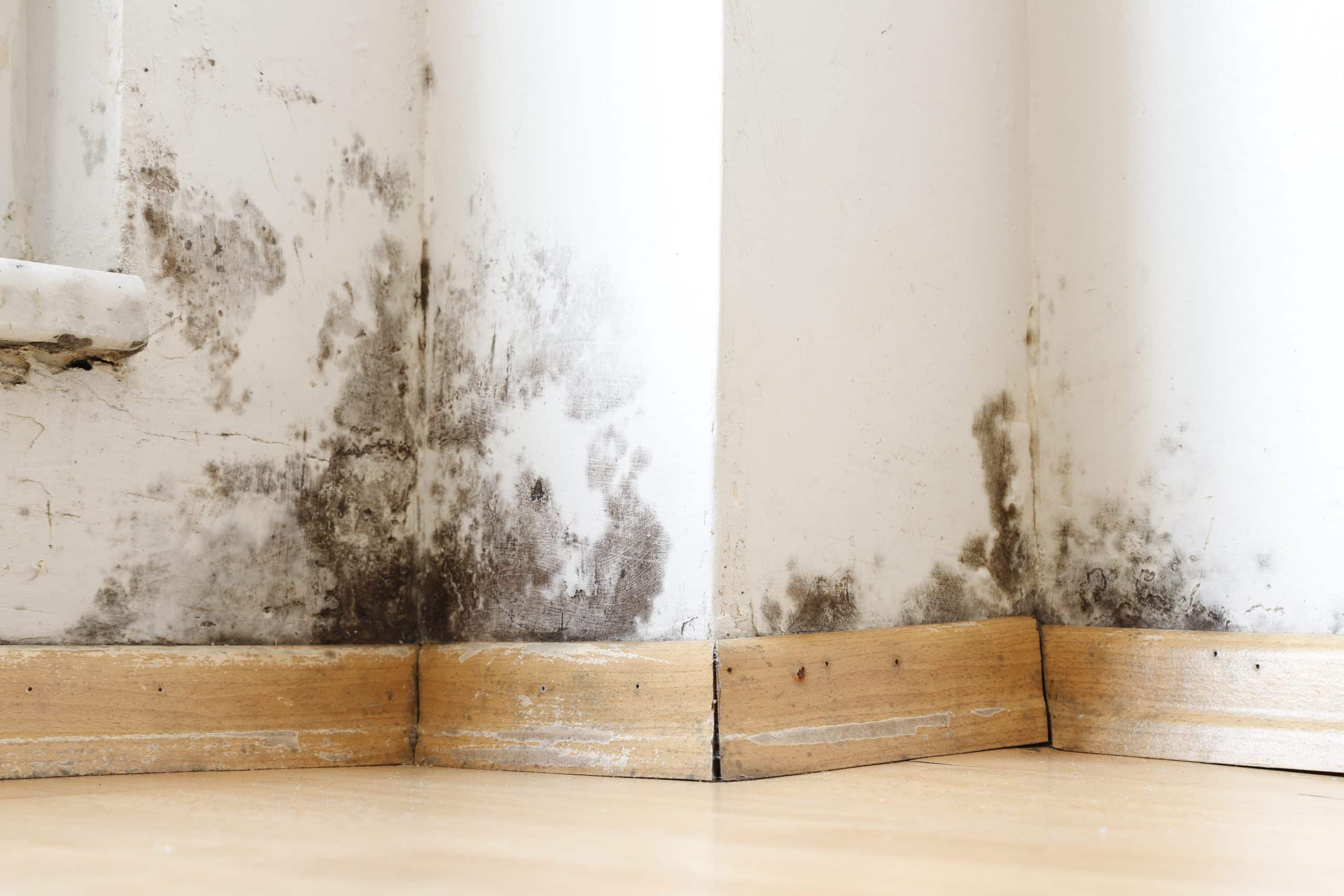
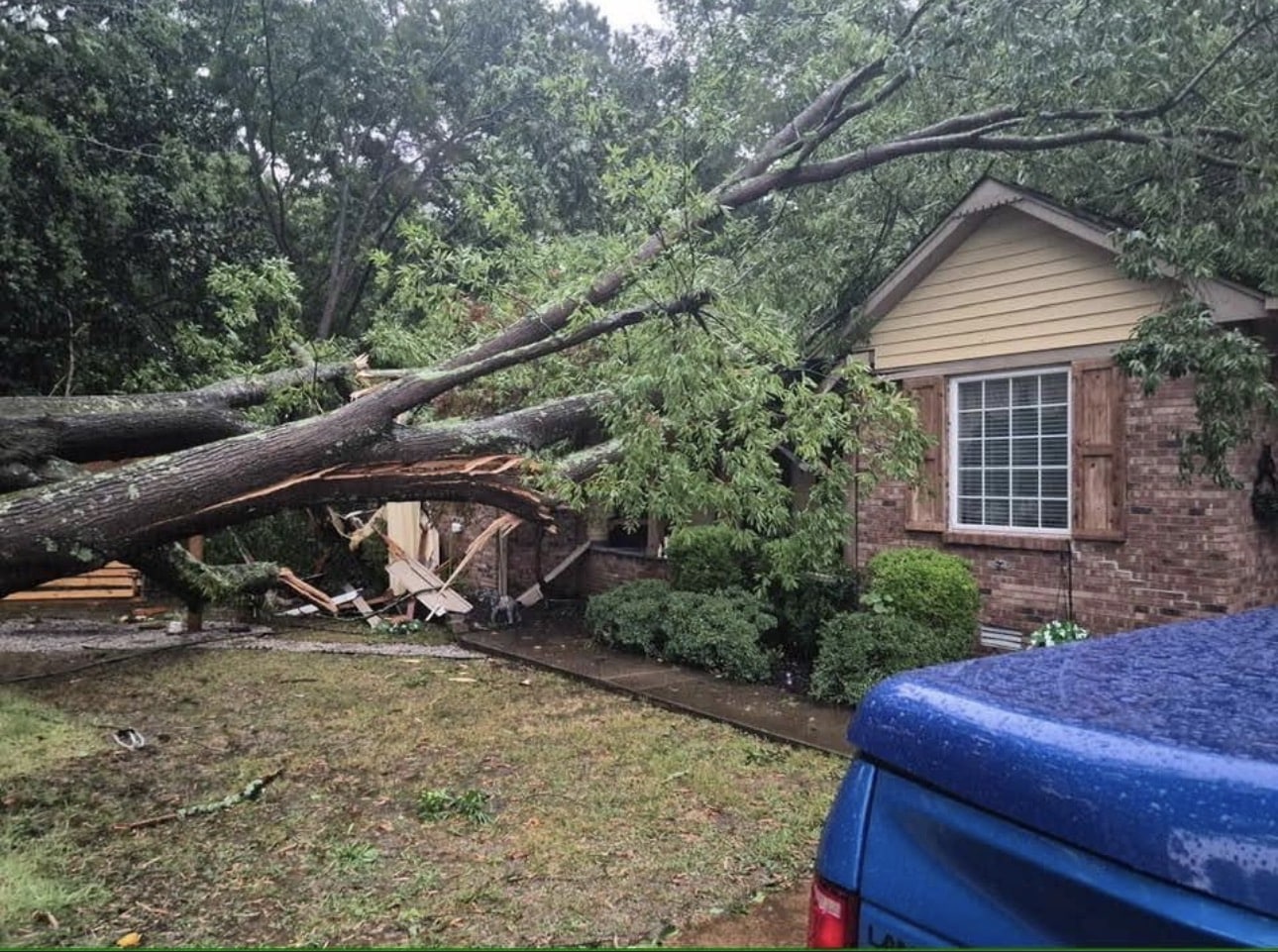
When water gets into your home, the soaked carpet and stained drywall are only the…
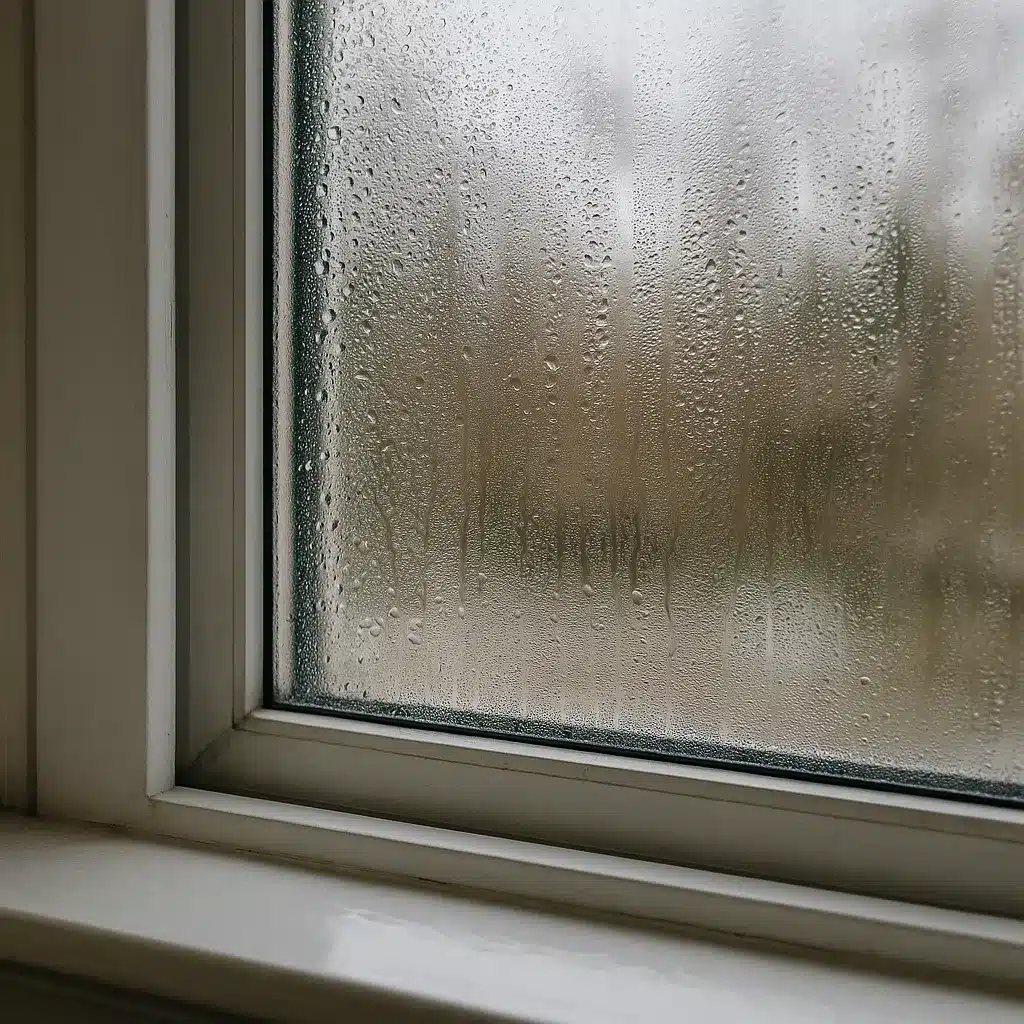
Cold Weather = Condensation Season
Why Minor Moisture Can Become Major Damage.
As temperatures drop here across areas like Collierville, Germantown, Lakeland, Rossville, Olive Branch, and throughout Shelby and Fayette County, homeowners begin experiencing a silent but extremely common problem: condensation. That thin layer of moisture on windows, walls, and cold surfaces might not look dangerous, but it can quickly lead to mold growth, damaged drywall, warped flooring, and long-term structural issues.
This time of year is sometimes called “condensation season”, because warm indoor air meets cold exterior temperatures, creating the perfect conditions for moisture to form in surprising places
— especially in older or poorly insulated homes found throughout Memphis and the surrounding suburbs.
Why Condensation Happens More in Cold Weather
When cold air moves in, homeowners naturally turn up the heat. Warm indoor air holds more moisture, and when it hits a cold surface—like a window, exterior wall, door frame, or even inside a closet—it releases that moisture as droplets.
Common sources of indoor moisture include:
Cooking and boiling water
Long hot showers
Running heaters without proper ventilation
Using humidifiers too often
Drying clothes inside
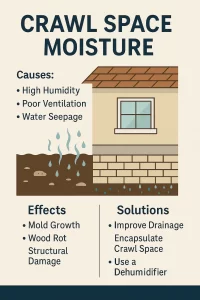
Crawl space humidity rising into the home
Even a small increase in indoor humidity during colder weather can trigger noticeable condensation in homes across Memphis, Fayette County, and northern Mississippi cities like Olive Branch.
What Looks “Minor” Can Become Major Damage
What many homeowners don’t realize is that condensation doesn’t always stay visible. It often collects in hidden places:
Behind baseboards
Inside walls
Under vinyl or hardwood flooring
Around window seals
Behind furniture pushed up against exterior walls
Over time, this trapped moisture can lead to:
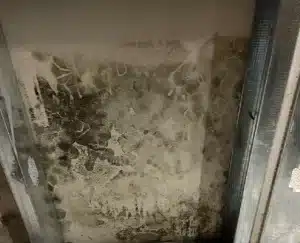
Mold growth
Peeling paint or bubbling drywall
Stained ceilings
Musty odors
Warped floors
Degraded insulation
In our Mid-South climate — where winter brings cold rain, humidity spikes, and temperature swings — these problems can escalate quickly, especially in areas like Germantown, Collierville, and Lakeland where older homes and high humidity often go hand-in-hand.
Early Signs of Condensation-Related Damage
Homeowners should watch for:
Foggy windows in the morning
Water droplets forming around window frames
Small black specks (mold) around sills
Musty smells in rooms or closets
Cold, damp floors near exterior walls
Peeling caulk or cracking paint
These signs are common in homes throughout Shelby and Fayette County, especially during back-to-back cold fronts.
How to Reduce Condensation in Your Home
You don’t need freezing temperatures to start seeing damage — prevention now protects your home all winter.
Here are simple ways to reduce condensation before it becomes a problem:
Run bathroom fans during and after showers
Leave interior doors open to improve airflow
Use your HVAC system’s “dry” or “auto” mode if available
Check windows and doors for failed seals
Move furniture a few inches away from exterior walls
Inspect and manage crawl space humidity
Open blinds/curtains during the day to warm cold surfaces
If condensation keeps appearing every day, it’s a sign that moisture levels need to be addressed before they cause long-term damage.
When to Call a Water Damage Specialist
If you notice mold, musty smells, discoloration, or persistent moisture, it may already be affecting hidden areas inside your home. Renaissance Restoration Services provides professional water and mold mitigation for homeowners throughout:
• Collierville
• Germantown
• Lakeland
• Rossville
• Olive Branch
• Memphis
• Shelby County
• Fayette County
Our team can inspect the source of moisture, identify the affected areas, and restore your home before the damage spreads.
☎️ 1-800-224-5102
🌐 https://renaissancerestorationservices.com/
Related Posts