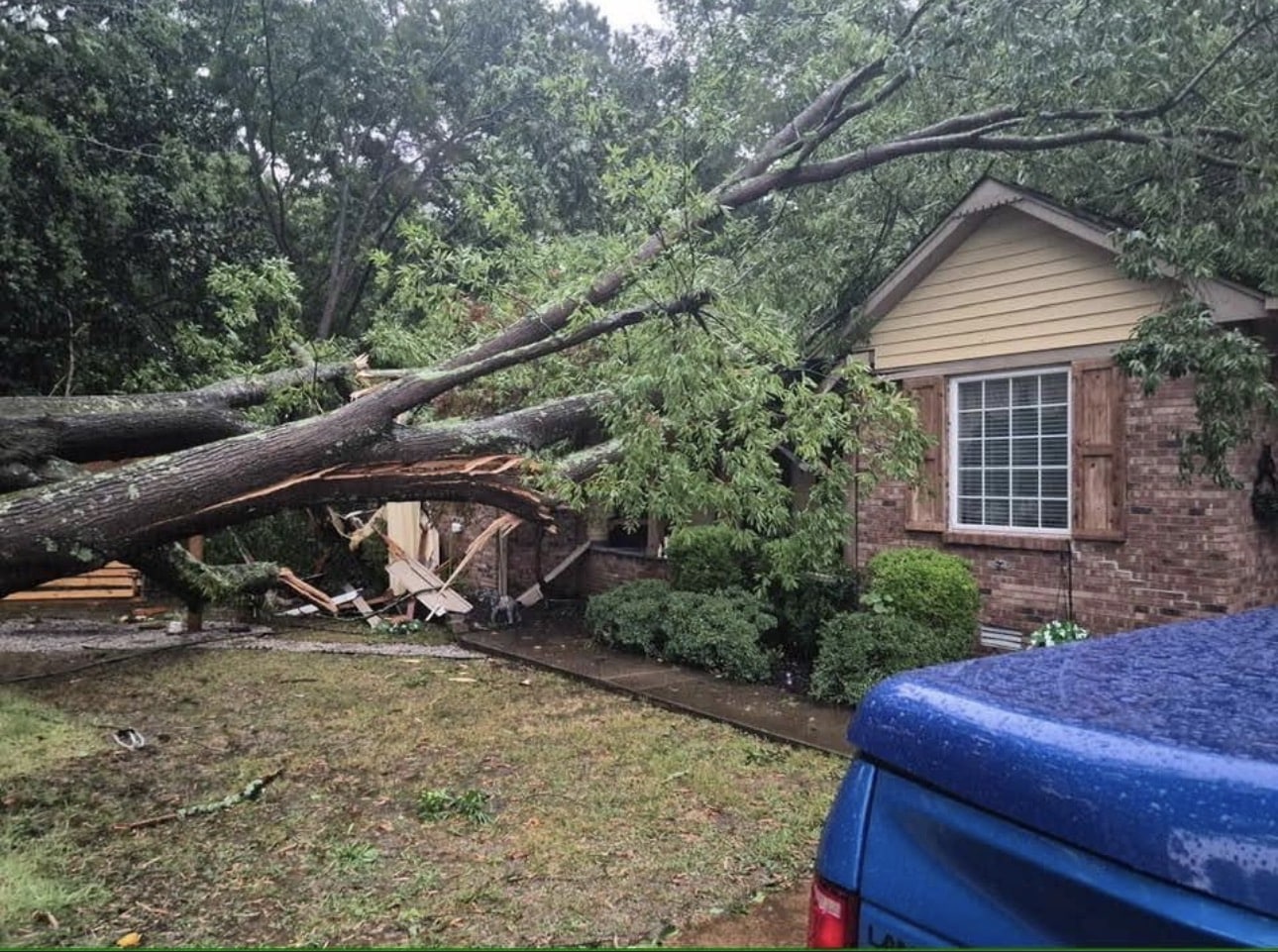
Severe thunderstorms, high winds, hail, and even tornadoes are a fact of life across the…
Mold Prevention After Water Damage: A Guide for Tennessee and Mississippi Homeowners
When water gets into your home, the soaked carpet and stained drywall are only the start of the problem. The bigger threat is often the one you can’t see yet: mold. In Tennessee and Mississippi, where summer humidity regularly tops 70% and fall storms can dump inches of rain in a single afternoon, mold can begin growing on wet materials in as little as 24 to 48 hours. That’s why mold prevention after water damage has to start right away.
The good news is that mold after water damage is largely preventable if you act quickly and know what to look for. Whether you’re dealing with a burst pipe in Nashville, a flooded basement in Memphis, or storm damage along the Mississippi Gulf Coast, this guide walks you through the steps that keep a water problem from becoming a mold problem.
Why Mold Grows So Fast in TN and MS Homes
Mold needs three things to grow: moisture, a food source, and warm temperatures. Unfortunately, the average Southern home provides all three. Drywall paper, wood framing, carpet padding, and even dust are all food for mold. Our warm climate keeps indoor temperatures in mold’s preferred range for most of the year, and our naturally high humidity means wet materials dry much more slowly than they would in a drier region.
That’s why “letting it air out” rarely works here. A wet wall cavity or subfloor in a humid Mid-South home can stay damp for weeks, long after the surface feels dry to the touch. By then, mold colonies may already be spreading behind walls, under flooring, and inside HVAC ductwork.
Mold Prevention After Water Damage: Your First 48 Hours
The first two days after water damage are your best window for mold prevention. Here’s what to do:
- Stop the water source. Shut off the main water valve for plumbing leaks, or safely tarp roof damage after a storm. If there’s standing water near outlets or appliances, turn off power to the affected area first.
- Remove standing water immediately. The longer water sits, the deeper it soaks into floors and walls. For more than a small spill, professional emergency water removal with truck-mounted or portable extraction equipment pulls out far more water than towels or a shop vac.
- Move wet belongings out. Take rugs, furniture, boxes, and bedding out of the affected room so the space can dry and the items don’t become mold sources themselves.
- Get air moving and lower humidity. Run fans, open interior doors, and use a dehumidifier. Keep windows closed on muggy days, since outdoor air in TN and MS often adds moisture rather than removing it.
- Document everything. Take photos and videos of the damage before cleanup for your insurance claim.
- Don’t ignore hidden areas. Water travels. Check behind baseboards, under cabinets, and in the ceiling below any upstairs leak.
Why Professional Drying Makes the Difference
Many homeowners are surprised to learn that “dry to the touch” isn’t the same as dry. Restoration professionals use moisture meters and thermal imaging cameras to find water trapped inside walls, subfloors, and insulation, places where mold often starts without any visible warning.
Professional water extraction and structural drying also use equipment most homeowners don’t own: commercial dehumidifiers that remove many gallons of moisture per day, high-velocity air movers positioned to dry specific surfaces, and, when needed, specialized systems that push dry air into wall cavities without tearing out drywall. Technicians track moisture readings each day until materials reach safe, dry levels, which is the only reliable way to confirm mold won’t take hold.
In some cases, soaked materials like carpet padding or the bottom section of drywall need to be removed. A good restoration team removes only what’s necessary, which keeps repair costs down and gets your home back to normal faster.
If floodwater or sewage backup is involved (called “Category 3” or “black water” in the industry), professional cleanup isn’t optional. This water carries bacteria and contaminants that require proper protective gear, disinfection, and removal of porous materials.
Warning Signs Mold May Already Be Growing
Even with fast action, it’s smart to stay alert in the weeks after a water event. Watch for:
- A musty, earthy odor, especially in closets, basements, or crawl spaces
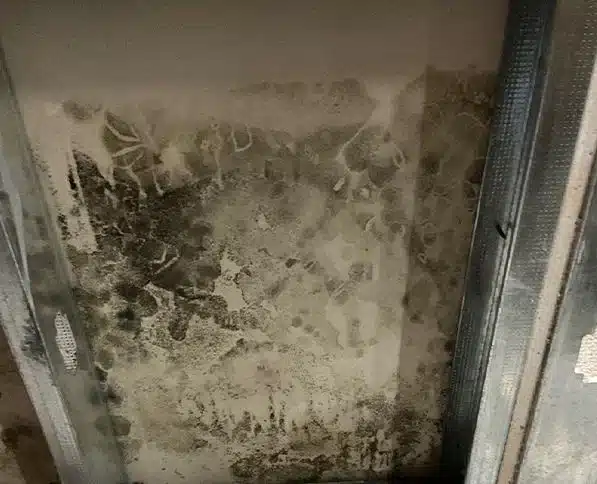
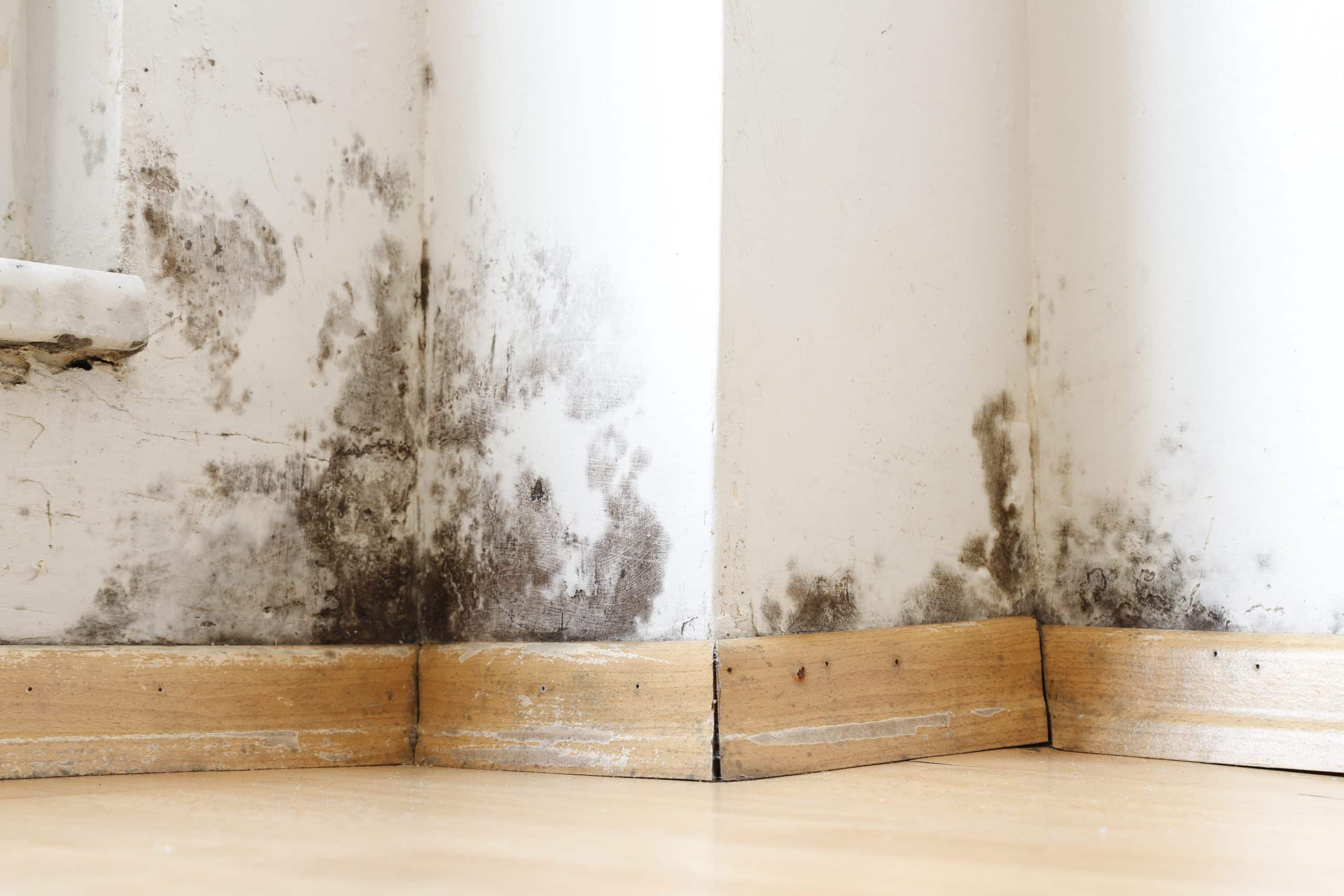
- Dark spots or fuzzy patches on walls, ceilings, grout, or baseboards
- Peeling paint, bubbling wallpaper, or warped flooring
- Increased allergy symptoms, such as sneezing, congestion, or itchy eyes, when you’re at home
- Condensation on windows or walls that won’t go away
If you notice any of these signs, schedule a professional mold inspection and avoid scrubbing or disturbing large patches yourself, since that can release spores into the air. For areas larger than about 10 square feet, the EPA recommends professional help.
Long-term mold prevention tips for Mid-South homes: keep indoor humidity between 30% and 50%, clean gutters before fall and spring storm seasons, make sure your crawl space is properly vented or encapsulated, run bathroom exhaust fans during and after showers, and have your HVAC system serviced regularly.
Act Fast: The Key to Mold Prevention After Water Damage
Mold prevention after water damage comes down to one thing: speed. The faster water is removed and your home is properly dried, the less chance mold has to grow and the less your restoration will cost.
Renaissance Restoration provides 24/7 emergency water damage restoration throughout Tennessee and Mississippi. Our certified technicians respond quickly with professional water extraction, structural drying, and moisture monitoring to protect your home from mold and further damage. We also work directly with your insurance company to make the claims process easier. Water damage doesn’t wait, and neither do we. Call Renaissance Restoration at 800-224-5102 any time, day or night, for fast, expert help.
Related Posts