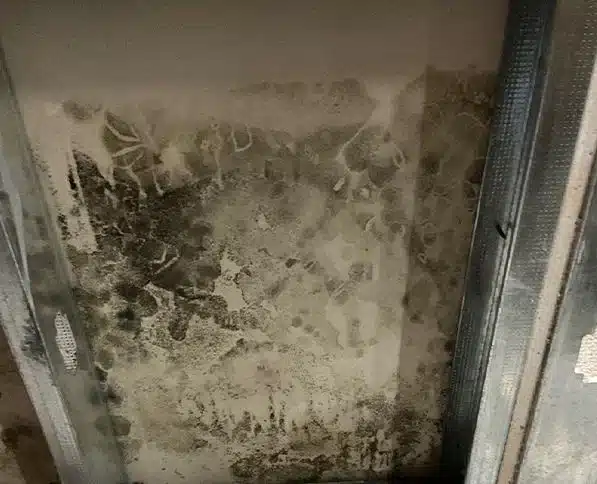
Water damage is one of the most stressful emergencies a homeowner can face. Whether it's…
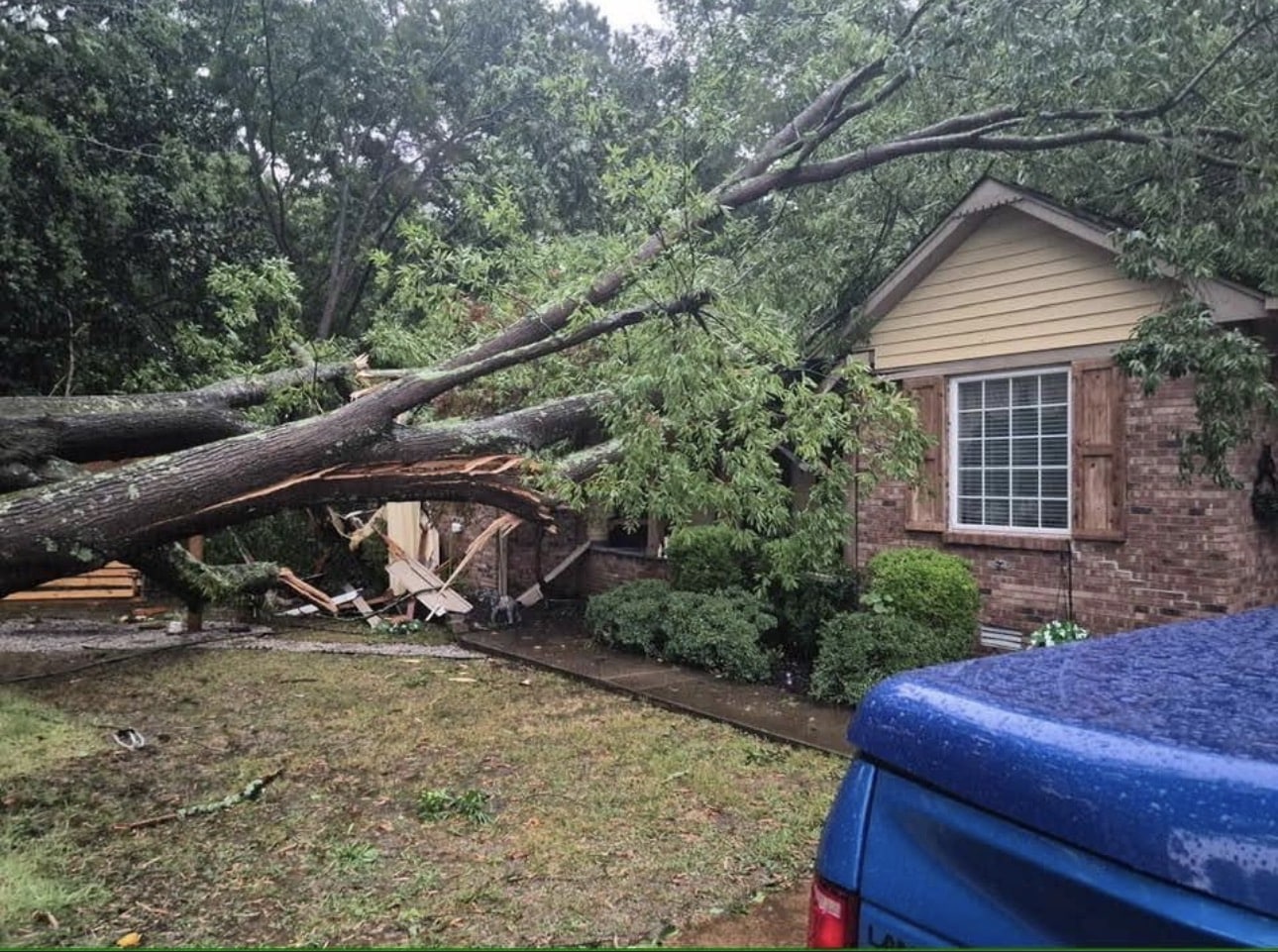
Storm Damage: What Mid-South Homeowners Should Do Before, During, and After Severe Weather
Severe thunderstorms, high winds, hail, and even tornadoes are a fact of life across the Mid-South. From Memphis and Germantown to Collierville, Olive Branch, and throughout Shelby and Fayette County, late summer and early fall often bring fast-moving storm systems. These storms can down trees, tear off shingles, and drive water into homes in minutes. Knowing what to do before, during, and after a storm — and who to call for storm damage restoration in Memphis — can protect your family and limit the damage to your property.
Before the Storm: Simple Prep That Pays Off
You can’t stop a storm, but you can reduce what it’s able to do to your home. A few precautions go a long way:
- Trim trees and remove dead limbs. Overhanging branches near your roof or power lines are one of the most common causes of storm damage in our area.
- Clean gutters and downspouts. Clogged gutters can’t move water away from your foundation fast enough during a heavy downpour, which raises the risk of water intrusion.
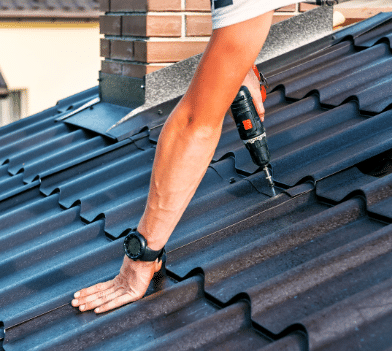
- Inspect your roof. Loose or missing shingles are an easy entry point for wind-driven rain. A quick look now is far cheaper than a ceiling repair later.
- Secure or store outdoor items. Patio furniture, grills, and trampolines can become projectiles in high winds.
- Document your home’s current condition. Photos or video of your roof, siding, and yard give you a “before” reference if you need to file an insurance claim later.
During the Storm: Safety Comes First
If severe weather is moving through, stay away from windows and exterior walls. Move to an interior room or basement if a tornado warning is issued. Avoid using electrical appliances or corded devices during lightning, and never go outside to “check on things” while the storm is still active — downed power lines and flying debris are two of the most common causes of storm-related injury.
After the Storm: What to Do First
Once the weather has passed and it’s safe to go outside, here’s how to protect your home and your insurance claim.
1. Check for Immediate Hazards
Look for downed power lines, gas odors, and structural damage before entering or walking around your property. If anything seems unsafe, keep your distance and call your utility company or 911.
2. Document Everything for Your Storm Damage Restoration Claim
Walk the exterior and interior of your home and take photos and video of all visible damage — roof, siding, fencing, windows, and any water intrusion inside. Wide shots of the whole area plus close-ups of specific damage give your insurance adjuster the clearest picture and support a stronger claim.
3. Prevent Further Damage
If your roof has missing shingles, a tarp-worthy hole, or a broken window, cover the opening as soon as you can safely do so. Most homeowner policies require you to take reasonable steps to prevent additional damage. A tarped roof tonight can mean a much smaller repair bill next week.
4. Watch for Hidden Water Damage
Wind-driven rain can work its way into attics, around chimneys, and behind siding without leaving obvious signs at first. Water stains on ceilings, a musty smell, or soft spots in drywall can show up hours or even days after the storm. Mold can begin developing within 24 to 48 hours of moisture exposure, so don’t wait to investigate anything that looks or smells off.
5. Be Cautious with Unsolicited Repair Offers
Severe weather often brings out door-to-door “storm chasers” offering quick roof repairs. Always verify licensing and insurance before agreeing to any work, and be wary of anyone pressuring you to sign a contract on the spot.
6. Call Your Insurance Company — and a Storm Damage Restoration Professional
Report the damage promptly and ask what your policy covers. A professional storm damage restoration team can also work directly with your adjuster, provide detailed damage assessments, and begin mitigation immediately so small problems don’t turn into major structural or mold issues. If water made it inside, our water damage restoration steps guide covers what to do next.
Why Fast Storm Damage Restoration Response Matters
The window between a storm passing and permanent damage setting in can be surprisingly short. Water that gets behind siding or into insulation doesn’t just sit there. It spreads, saturates building materials, and creates the exact conditions mold needs to grow. A damaged roof left uncovered through even one more round of rain can turn a limited repair into a full section of drywall, insulation, and flooring replacement. Choosing an experienced storm damage restoration company and acting quickly is what keeps a bad storm from becoming a much more expensive one.
Need Storm Damage Restoration in Tennessee or Mississippi?
Renaissance Restoration Services provides 24/7 emergency storm damage restoration throughout Tennessee and Mississippi, including Memphis, Germantown, Collierville, Olive Branch, and Shelby and Fayette County. Our certified team handles everything from emergency roof tarping and board-up to water extraction, drying, and full restoration — and we can work directly with your insurance company to help move your claim along. Call us at 1-800-224-5102 any time, day or night, for a fast response when severe weather hits.
Related Posts