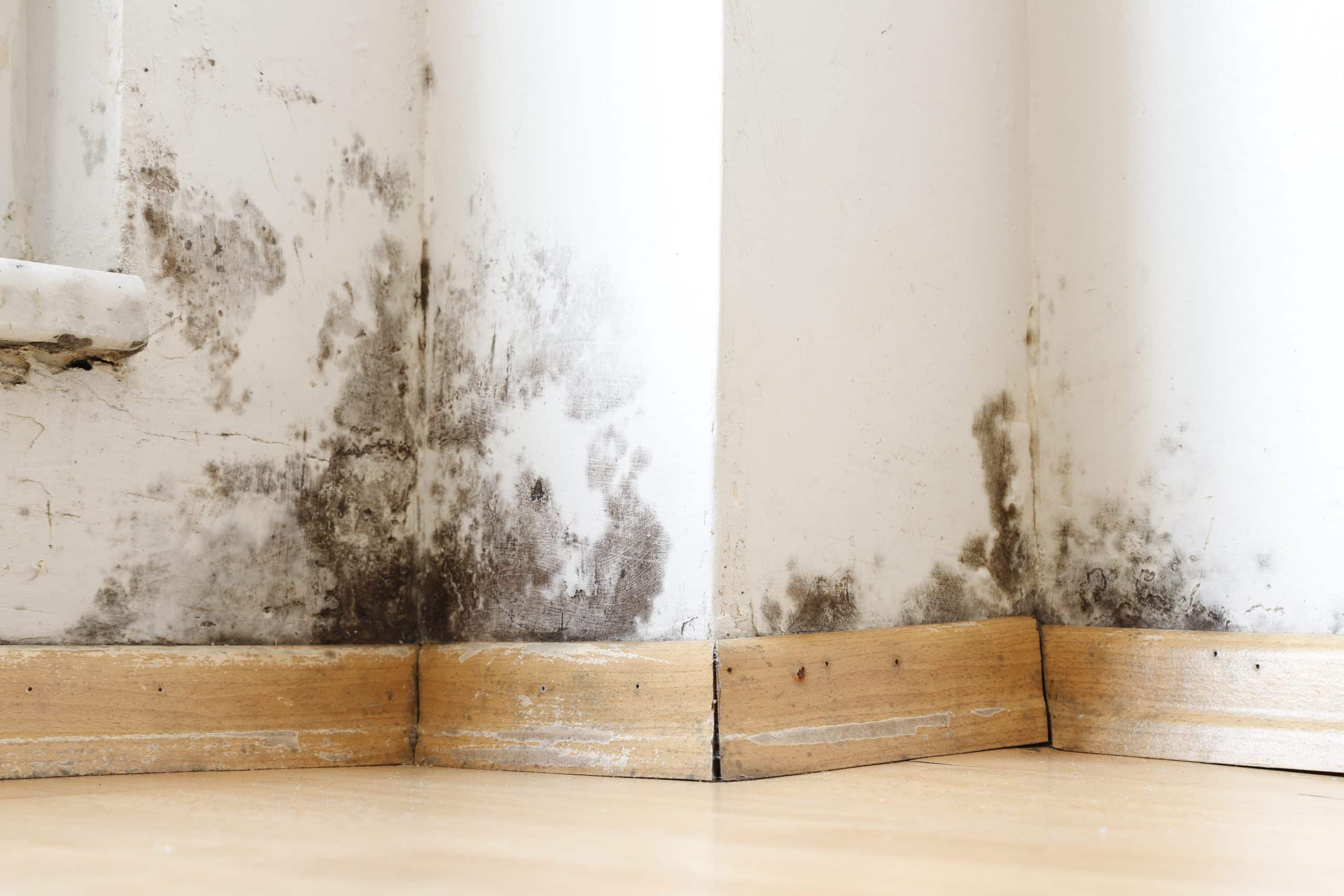
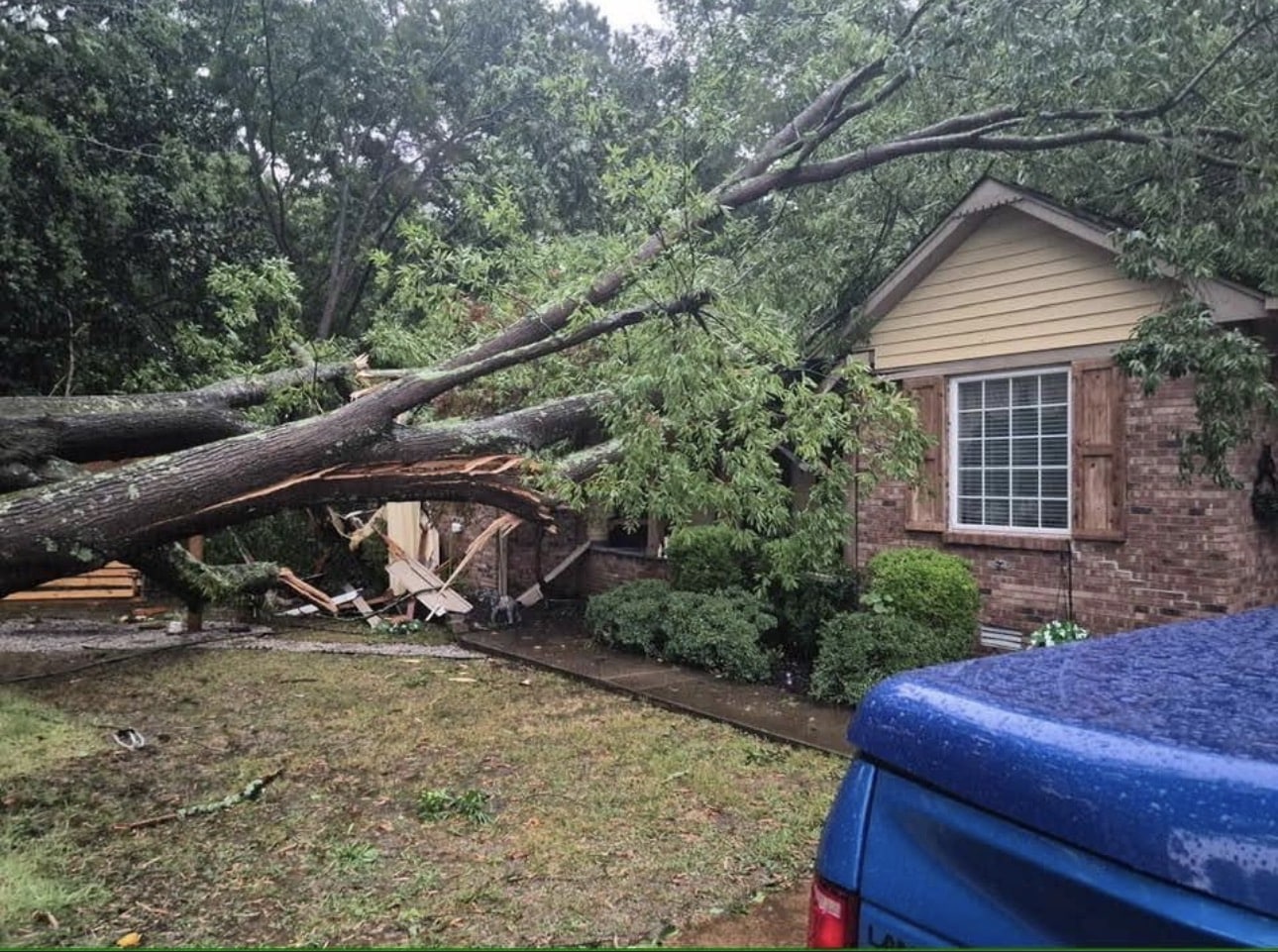
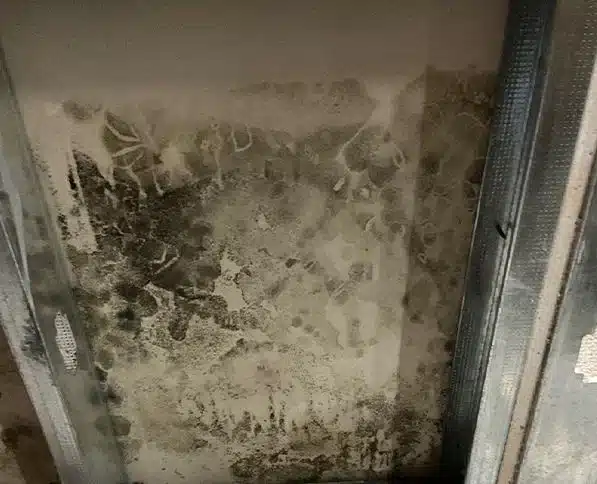
When water gets into your home, the soaked carpet and stained drywall are only the…
What To Do After Water Damage: 5 Immediate Steps Every Homeowner Should Take
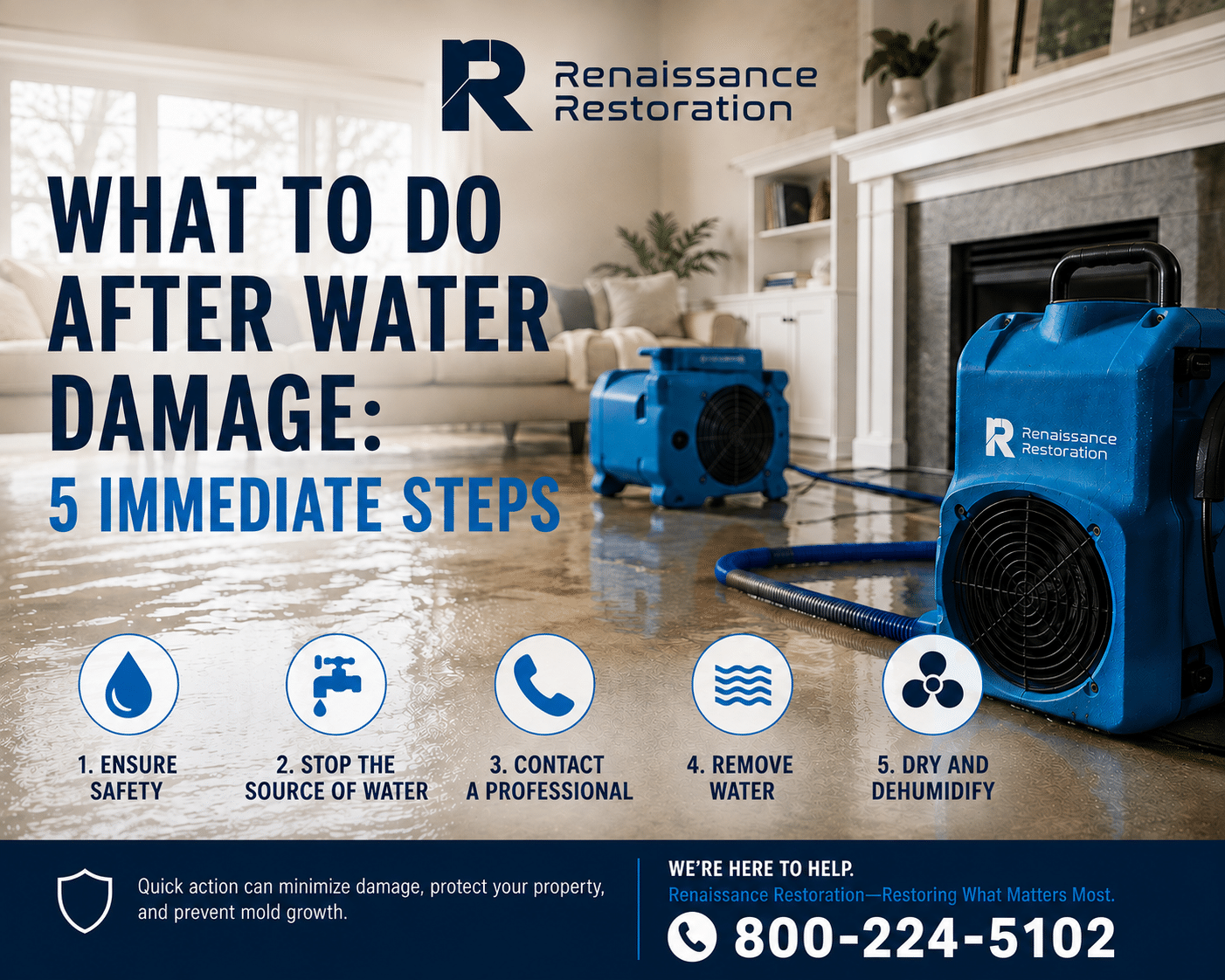
Water damage is one of the most stressful emergencies a homeowner can face. Whether it’s from a burst pipe, severe storm, or flooding, the first few hours are critical. Your quick action can mean the difference between minor repairs and thousands of dollars in additional damage. If you’re experiencing water damage in Tennessee or Mississippi, here are the essential water damage restoration steps you need to take right now.
Step 1: Ensure Your Safety First
Before you do anything else, make sure the situation is safe. If water damage is extensive or affecting electrical systems, turn off the power at the breaker box—but only if it’s safe to do so and you won’t be standing in water. If flooding is rising or you smell gas, evacuate immediately and call emergency services. Never enter standing water that may be contaminated or hide hazards. Your safety is always the priority.
Step 2: Stop the Source of Water
If the water is still coming in, locate and stop it as quickly as possible. For burst pipes, find your main water shut-off valve—usually located near your water meter or where the main line enters your home. If a toilet is overflowing, turn the shut-off valve on that specific fixture. When dealing with roof leaks or flooding from outside, move important items to higher ground and block water entry if you can do so safely. Stopping the source immediately prevents additional water damage from spreading throughout your home.
Step 3: Document Everything for Insurance
Start taking photos and videos of all affected areas while the water damage is still visible. Capture wide shots of entire rooms and close-ups of damaged items, wet carpeting, stained walls, and any water pooling. This documentation is essential for your insurance claim—adjusters will use these images to assess the damage and determine your compensation. Make a list of damaged items with their approximate age and replacement cost. Don’t wait to do this later; evidence is clearest immediately after the damage occurs.
Step 4: Remove Standing Water and Start Drying
Begin removing water as soon as it’s safe to do so. Use pumps, wet vacuums, mops, and towels to extract as much water as possible. Open windows and doors to create airflow, and use fans to increase air circulation throughout affected rooms. Time is critical here—the longer water sits, the higher the risk of mold growth and structural damage. Most mold can begin developing within 24 to 48 hours of water damage. While you’re working on initial water removal, professional water extraction equipment can remove moisture much more effectively than DIY methods alone.
Step 5: Call a Professional Water Damage Restoration Company
This is the most important step. Professional water mitigation companies have industrial-grade equipment that removes water far more effectively than household tools. They use specialized dehumidifiers, air movers, and moisture meters to detect hidden moisture in walls and under flooring. These professionals can also identify areas at risk for mold growth and begin the restoration process properly. In Tennessee and Mississippi, where humidity levels are high, professional drying is essential to prevent mold and further structural damage.
Don’t Delay: Water Damage Restoration Timeline Matters
Water damage restoration has a critical timeline. The first 24 to 48 hours determine whether you’ll face manageable repairs or extensive mold remediation and structural restoration. While you’re taking these initial steps—stopping the water, documenting damage, and beginning water removal—you should already be contacting a professional water mitigation service. The sooner professionals arrive with their equipment, the better your chances of minimizing total damage to your home.
Remember, homeowner insurance typically covers water damage from sudden, accidental sources like burst pipes or storms. However, slow leaks or flooding from poor maintenance usually aren’t covered. Review your policy so you understand what’s included and act quickly to preserve your coverage eligibility.
Need Emergency Water Damage Restoration Help in Tennessee or Mississippi?
Renaissance Restoration Services provides 24/7 emergency water mitigation and restoration throughout Tennessee and Mississippi. Our certified professionals respond immediately to minimize damage and prevent mold growth. Call us now for rapid response to water damage emergencies—we’re here when you need us most.
Related Posts